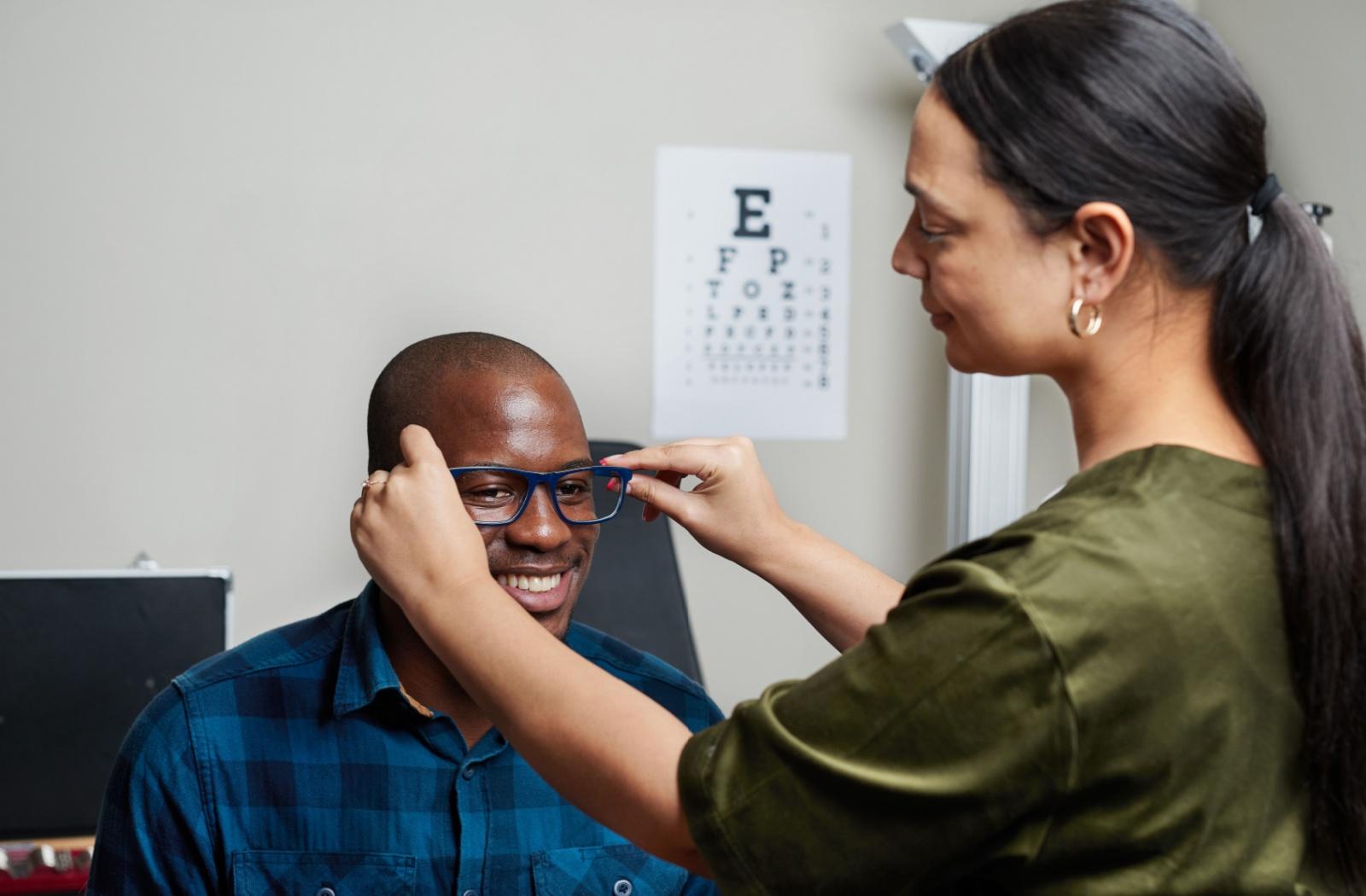
You reach for your glasses every morning, but can you remember the last time you replaced them? At Sage Eyecare, we want you to know that your vision can change over time, so those trusty frames you’ve had for years might not be serving you as well as they once did.
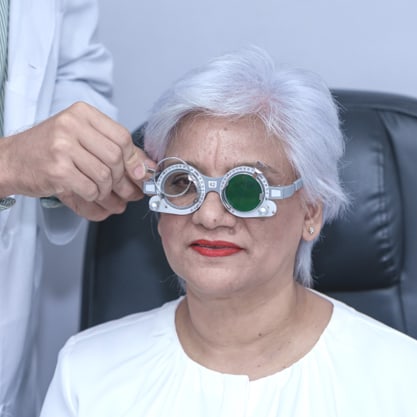
It’s usually recommended that people replace their glasses every 1–2 years due to prescription changes, though frame durability and lifestyle factors can affect this timeline. It all starts with an eye exam, where our team can monitor your overall eye health. Then, it’s onto our optical gallery, where you’ll find frames that make you feel and look great.
Signs Your Prescription Has Changed
When you can’t see quite right, your body may send you a few signals. Some of the changes may happen gradually, but they’ll become harder to ignore over time. If you notice any of the following, it’s a good idea to book an eye exam:
- Headaches after reading or screen time
- Squinting to see clearly
- Eye strain or fatigue
- Blurry vision at distance or up close
- Difficulty seeing at night
These symptoms often develop slowly, so you might adapt without realizing your vision has changed. When you find yourself holding books farther away or moving closer to your computer screen, your prescription may need updating.
When Your Frames Need an Update
Sometimes, your vision isn’t the problem. Between accidents and everyday use, scratches, bent or missing arms, and general wear and tear are going to happen.
Physical Damage That Affects Your Vision
Scratched lenses can create annoying glare and distortions that strain your eyes. Bent frames can sit crooked on your face, throwing off your prescription alignment and even creating visual imbalances.
Loose screws can make your glasses constantly slip down your nose, while broken nose pads dig into your skin. These issues aren’t just annoying: They can make you not want to wear your glasses, which defeats the whole purpose of having them.
Glasses should be comfortable and useful. That’s why a professional fitting from an experienced eye care team is so important. They can make sure your glasses are tailored to your face, which helps you see clearly.
Style and Comfort Changes
Your lifestyle evolves, and your glasses should keep up. Those narrow frames from 5 years ago might not accommodate your current computer-heavy work schedule or active weekend routine.
Style, trends, and preferences also change. Frames that once flattered your features might now feel outdated or uncomfortable. Or if you’re like us, maybe you just want your glasses to keep up with the latest styles.
Typical Glasses Replacement Timeline
Prescription Changes: Every 1–2 Years
Your eyes don’t stay the same forever. Most adults experience gradual vision changes that become noticeable around 1 to 2 years, especially after age 40, when presbyopia commonly develops.
Even younger adults can experience changes in their prescriptions due to lifestyle factors or ongoing eye development that continues into their 20s.
Frame Durability: 2–3 Years Average
How long your frames last really depends on how often they’re worn and how well they’re cared for. That being said, well-made frames can last for around 2 to 3 years with proper care, though it varies.
If you’re constantly putting your glasses on and off, working in dusty environments, or leading an active lifestyle, you might need to replace them sooner.
Lens Technology Updates
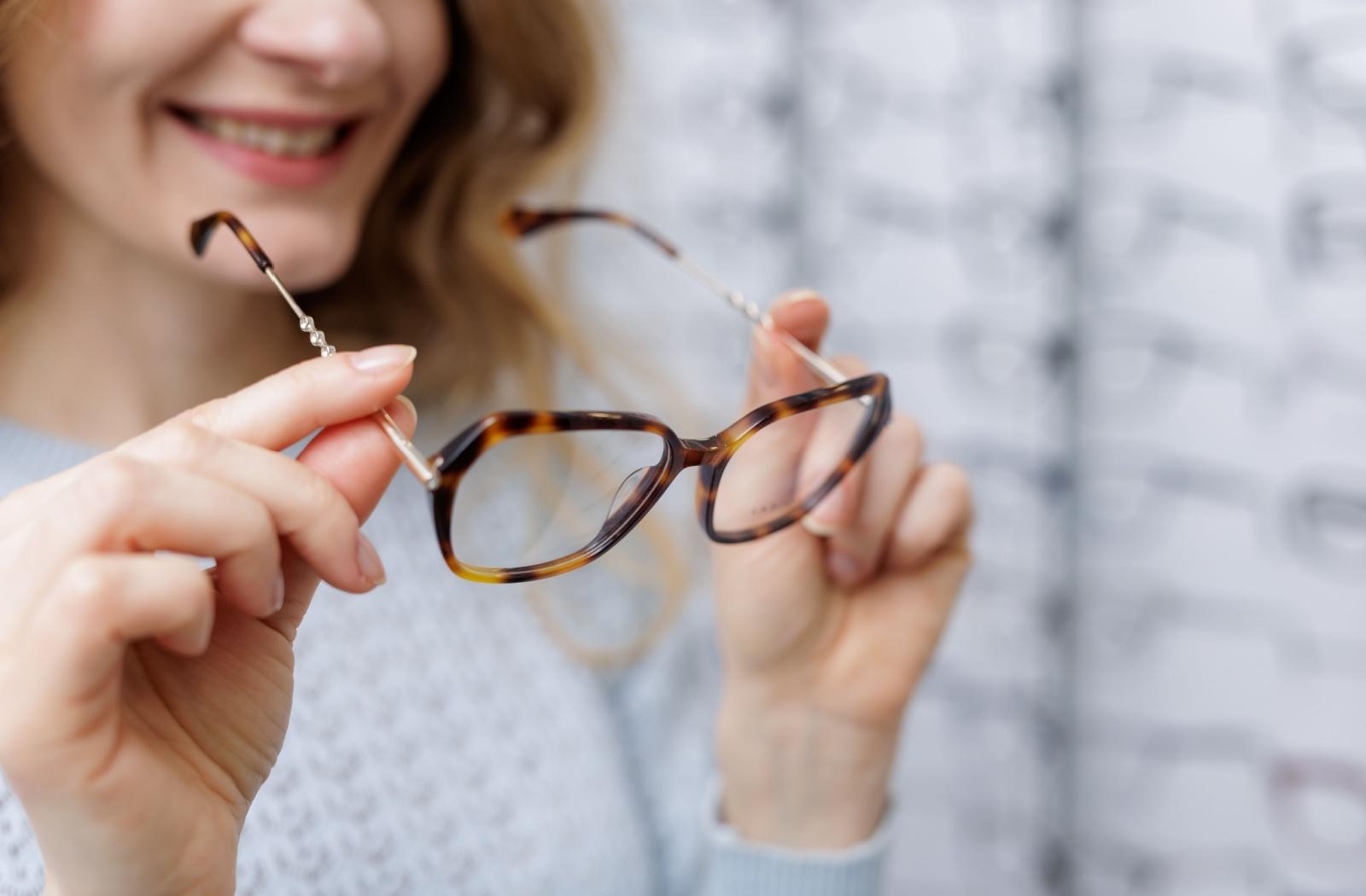
Lens technology is improving all the time. Anti-reflective coatings, blue-light filters, and impact-resistant materials available today can offer added comfort, durability, or specific benefits depending on your needs.
Upgrading to newer lens technology can reduce eye strain for some people and even provide clearer vision, even if your prescription hasn’t changed dramatically. Modern frame and lens options offer enhanced durability and visual comfort compared to older technologies.
Factors That Speed Up Replacement Needs
Some circumstances make you need new glasses more frequently than the typical timeline. Your individual situation can affect how quickly your prescription changes and how well your frames hold up.
You may need to replace your glasses more often if you have:
- Age-related vision changes, like presbyopia
- Medical conditions affecting eyesight, such as diabetes
- Lifestyle changes that require different lens types
- Frequent computer or digital device use
- An active lifestyle, which can increase your risk of frame damage
Schedule Your Next Eye Exam at Sage Eyecare
Our eye doctors at Sage Eyecare combine decades of experience with modern diagnostic techniques to provide thorough, preventive eye care. Whether you’re looking for a fresh pair of frames, an updated prescription, or have questions about your eye health, our friendly team would love to see you. Schedule your comprehensive eye exam today.